From First Lessonto the Flight Deck
A career in aviation isn't a single decision — it's a stack of them, made over years. The path is real and well-traveled: Private, Instrument, Commercial, Multi-Engine, ATP. Each rating opens a new tier of work. People who treat it as a career, not a leap, end up flying for a living within a few years.
The Experience
The Career Path, Step by Step
Each license is a doorway. You don't have to know on day one that you'll go all the way — you just have to keep saying yes to the next door.
 Stage 1
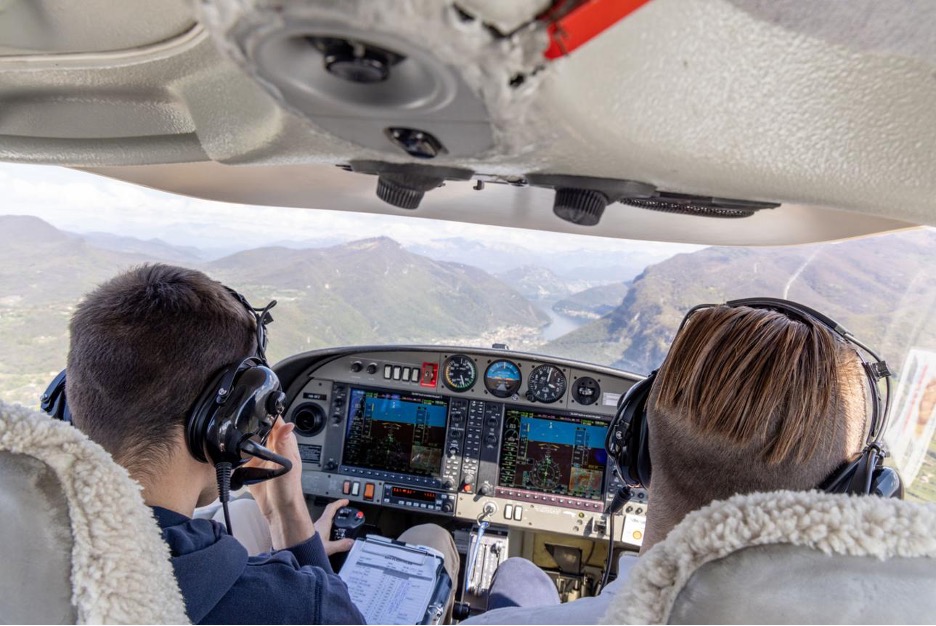
Private Pilot Certificate
The foundation. You learn to fly an airplane, navigate, handle weather, and pass an FAA practical test. About 60–70 hours of flight time.
 Stage 2
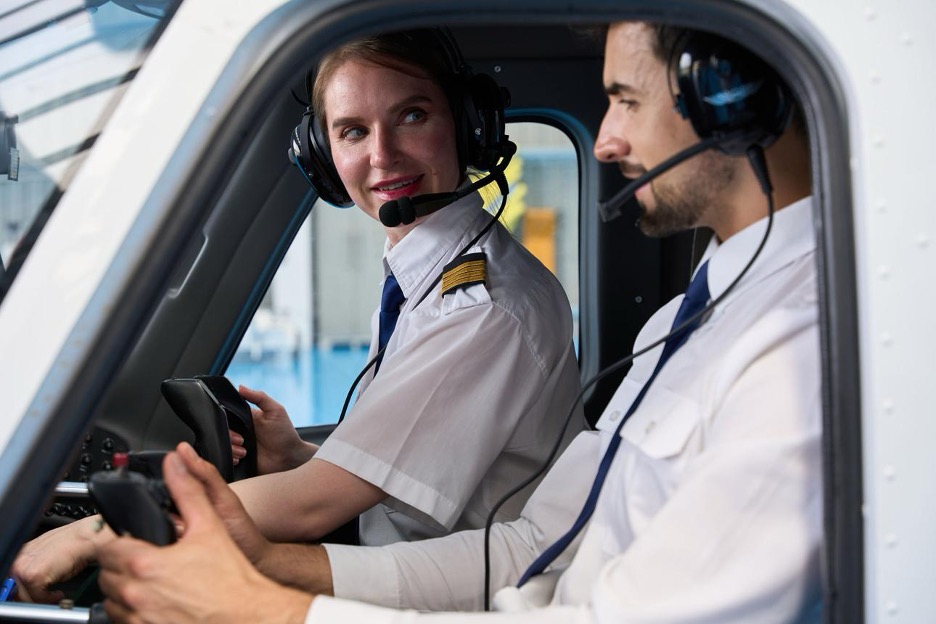
Instrument + Commercial
Instrument rating teaches you to fly in clouds. Commercial certificate lets you get paid to fly. Together, these are the licenses that turn a hobby into a profession.
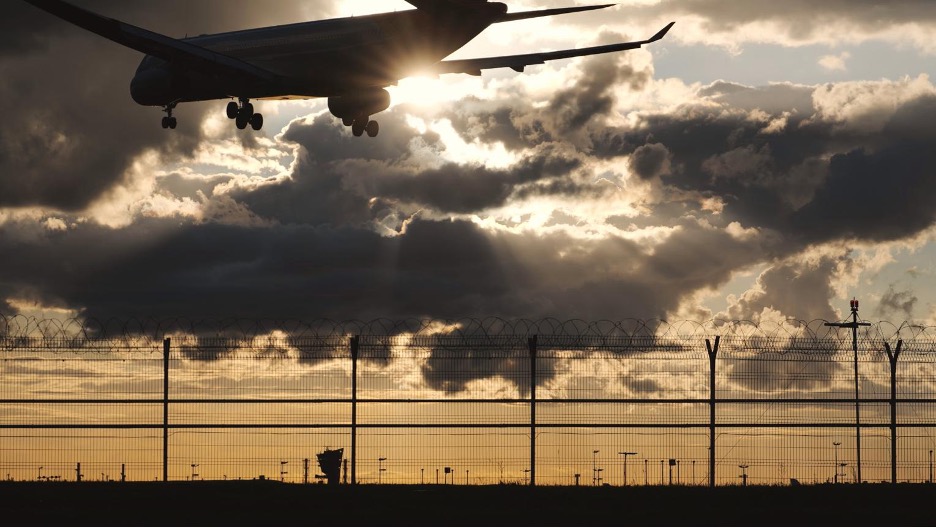 Stage 3
Hours, Job, ATP
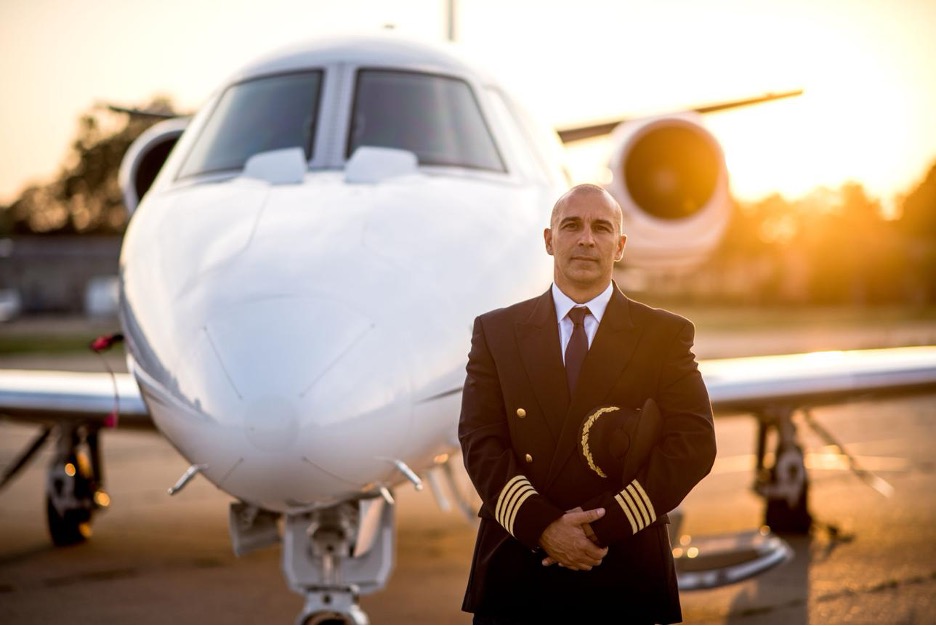
Most career pilots build hours as flight instructors, then move to charter or regional airlines, and finally to the airlines or corporate operations. The Airline Transport Pilot is the captain's certificate.
The Real Details
What You'll Actually Learn
- Time to first paid job
- Typically 18–36 months
- Hours required for ATP
- 1,500 (1,000 with R-ATP)
- Typical full-path cost
- $80,000–$120,000 USD (Pay-as-you-go & Financing Available)
- Typical career trajectory
- Instructor → Regional → Major
Licenses You'll Earn
Private Pilot (PPL)
The foundation. Carry passengers, fly day or night.
Instrument Rating (IR)
Fly through clouds and weather. The single biggest capability upgrade.
Commercial Pilot (CPL)
Get paid to fly. Required for any aviation career.
Flight Instructor (CFI)
Teach others to fly. The most common way to build hours toward the airlines.
Multi-Engine Rating (ME)
Two engines. Higher performance. The bridge to airline-class aircraft.
Airline Transport Pilot (ATP)
The captain's certificate. Required for airline operations.
The Story Beneath
“I took my first lesson at twenty-three. I was a regional first officer at twenty-eight. By thirty-four I was a major airline captain. The path is right there — you just have to keep going.”
— Daniel, 36 — Major airline captain
Aviation careers compound. Every rating you earn unlocks a new tier of work, and every job you take builds the hours toward the next. It rewards consistency over genius, and patience over speed. If you're willing to invest a few years, the path takes you somewhere most careers can't.
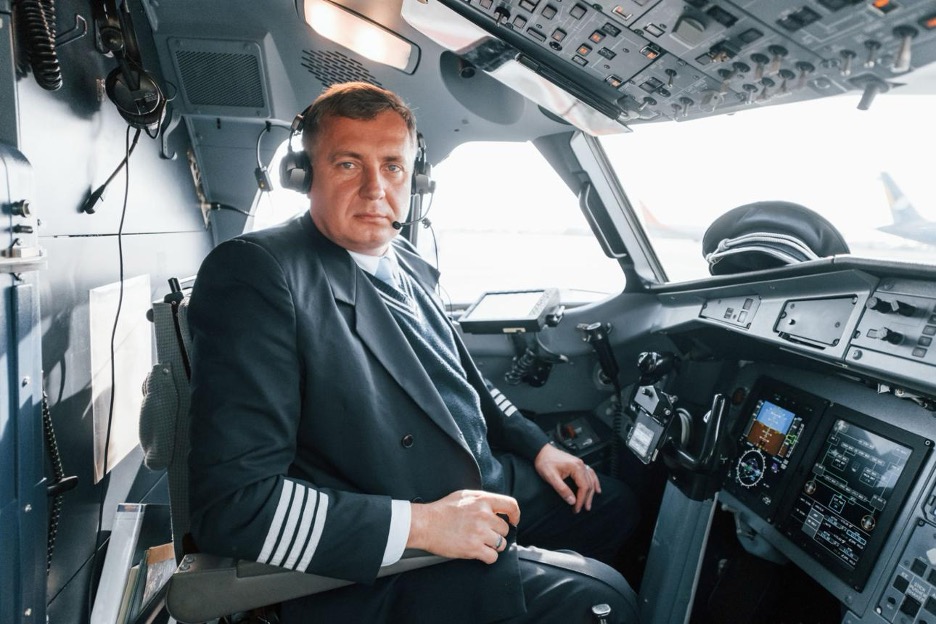
Your Move
The path is here. You just have to start.
What Comes After This
Want to start smaller? The hobby path is the same first license.
Many career pilots started by getting their PPL just for fun.